

 English
 русский
 Français
 Español
 عربى

High-Efficiency HEPA Filters for Reliable Cleanroom Air Control
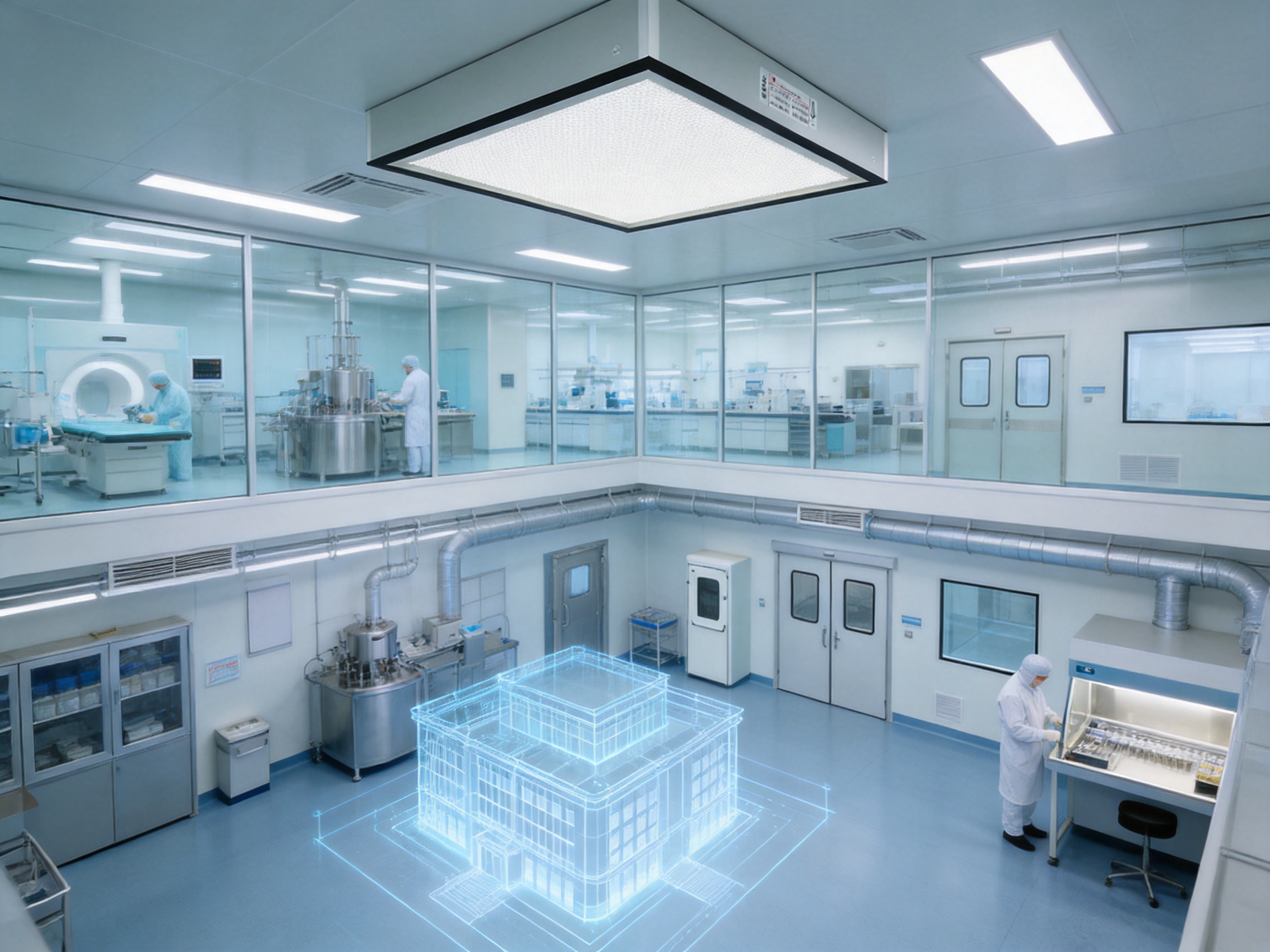
Clean air is one of the most important foundations of a controlled environment. In pharmaceutical production, hospitals, laboratories, electronics manufacturing, food processing, and other sensitive applications, airborne particles can affect product quality, patient safety, research accuracy, and regulatory compliance. A well-designed heating, ventilation, and air-conditioning system can control temperature, humidity, pressure, and airflow, but the final level of air cleanliness depends heavily on the performance and reliability of the installed filtration system.
HEPA filters are among the most widely used solutions for removing airborne particles from cleanroom supply air. They are designed to capture very small particles and support the production of clean, stable, and controlled air. When correctly selected, manufactured, installed, and maintained, a HEPA filter can become a dependable barrier between contaminated air and the critical process or area that requires protection.
Modern cleanroom projects require more than a filter media with high efficiency. They require consistent manufacturing, careful sealing, reliable structural design, accurate testing, suitable configuration, and technical support throughout the project lifecycle. A filter that performs well in a laboratory but is damaged during transportation, incorrectly installed, or poorly sealed in the terminal housing may fail to provide the expected protection in actual operation.
This article examines the function, construction, manufacturing process, advantages, applications, selection principles, installation requirements, and maintenance considerations of HEPA filters used in cleanroom HVAC systems and cleanroom equipment. It also explains how an experienced cleanroom engineering and manufacturing supplier can provide more value than a basic filter trader or an isolated component supplier.
1. The Role of HEPA Filtration in Controlled Environments
Airborne particles are generated continuously by people, equipment, raw materials, packaging, construction materials, and process activities. Even a small number of particles may create serious consequences in a sensitive environment. In pharmaceutical production, particles can contaminate products or interfere with aseptic processes. In electronics manufacturing, microscopic particles may affect yield and device performance. In operating rooms, effective air filtration supports the overall infection-control strategy.
A HEPA filter removes particles from an air stream by combining several physical mechanisms. Depending on particle size and air velocity, particles may be intercepted by fibers, captured through inertial impaction, retained through diffusion, or trapped when they follow a path through the filter media and contact a fiber. These mechanisms work together rather than relying on a simple sieve effect.
HEPA filtration is generally installed after upstream filtration stages. A typical air-handling system may include a primary filter, a medium filter, and a final HEPA filter. The primary and medium stages protect the final filter from excessive dust loading. This staged approach can extend filter service life, reduce pressure rise, and improve the stability of the complete HVAC system.
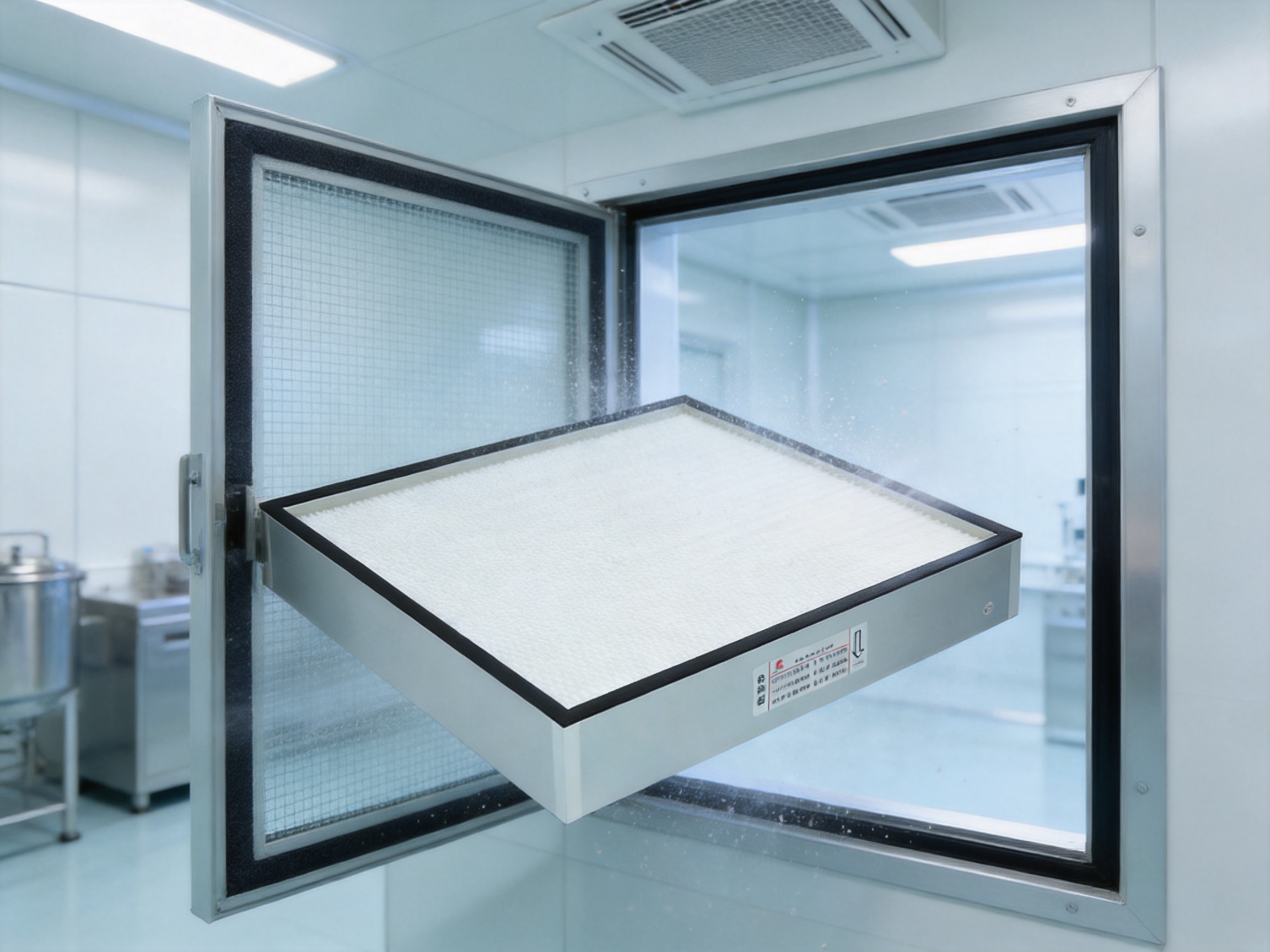
The final HEPA filter may be installed in an air-handling unit, ceiling terminal, laminar airflow unit, air shower, pass box, weighing booth, or other cleanroom equipment. In many cleanrooms, the filter is integrated with a terminal housing or ceiling system so that filtered air enters the controlled space directly from the clean side of the filter.
2. Product Construction and Functional Design
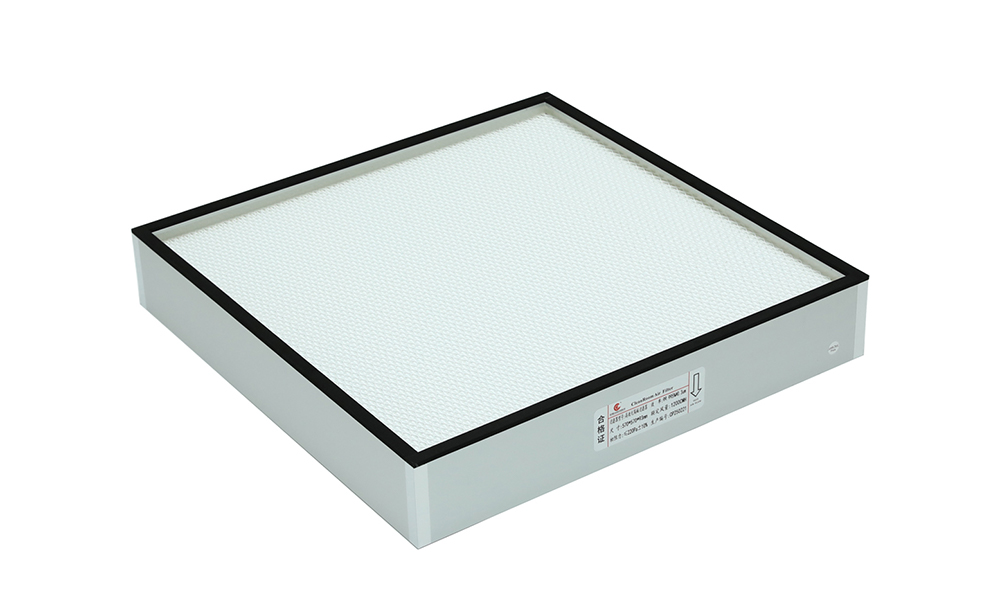
A HEPA filter is a precision assembly rather than a single sheet of filter paper. Its performance depends on the relationship between the filter media, separators or pleat-forming method, frame, sealant, gasket, protective screen, and airflow configuration.
2.1 High-efficiency filter media
The filter media is the principal particle-capturing element. It is usually manufactured from a fine-fiber material designed to provide high particle removal efficiency while maintaining an acceptable pressure drop. The media must be sufficiently strong to withstand pleating, handling, airflow forces, and long-term operation.
Consistent media quality is essential. Variations in fiber structure, basis weight, moisture content, or resistance can cause differences in filtration performance between batches. A professional manufacturing process therefore requires incoming material inspection, controlled storage, careful handling, and traceable production records.
2.2 Pleat configuration
The media is formed into pleats to increase the effective filtration area within a practical frame size. A larger filtration area can help reduce face velocity and pressure drop while allowing the filter to handle the required airflow. However, pleat spacing must be controlled carefully. Pleats that are too close together may restrict airflow or create dust-loading problems, while pleats that are too far apart may reduce the available media area.
Pleat geometry also affects mechanical stability. The media must remain evenly supported so that air pressure does not cause pleat deformation, flutter, or contact between adjacent folds. Depending on the design, separators, hot-melt beads, aluminum separators, or other structural methods may be used to maintain the correct pleat spacing.
2.3 Filter frame
The frame provides dimensional stability and enables the filter to be installed into a housing or terminal unit. Frames may be manufactured from galvanized steel, aluminum, stainless steel, or other materials selected according to the application environment.
Galvanized steel can provide a practical combination of strength, corrosion resistance, and cost control for many general cleanroom applications. Aluminum is lightweight and may be suitable where reduced handling weight is important. Stainless steel is often selected for areas requiring enhanced corrosion resistance, frequent cleaning, or strict hygiene requirements.
Frame dimensional accuracy is particularly important in ceiling-mounted systems and terminal housings. Even a high-efficiency filter can leak around its perimeter if the frame is distorted, undersized, or incompatible with the housing. Accurate fabrication and final dimensional inspection are therefore important parts of product quality.
2.4 Sealant and perimeter gasket
The filter media must be securely bonded to the frame to prevent air from bypassing the media. A suitable sealant is applied around the media pack, and a gasket or gel seal may be provided at the installation interface. The choice of sealant depends on temperature, humidity, chemical exposure, cleaning procedures, and the required service life.
The gasket must provide continuous contact with the filter housing. Gaps, compression irregularities, damaged corners, or contaminated sealing surfaces can create leakage paths. For this reason, filter installation should always include careful inspection of the gasket, housing, clamping system, and contact surface.
2.5 Protective screens
Protective screens may be installed on the upstream and downstream sides of the media pack. These screens help protect the pleats from accidental contact during handling and installation. They also support the media against airflow forces. The screen design should provide adequate strength without creating excessive airflow resistance or interfering with the effective filter area.
3. Main Advantages of a Professionally Manufactured HEPA Filter
HEPA filters from different suppliers may appear similar externally, but their actual performance can vary substantially. The most meaningful advantages are found in material consistency, manufacturing accuracy, testing discipline, product compatibility, and technical support.
3.1 Reliable particle removal
The primary advantage of a HEPA filter is its ability to remove a very high proportion of airborne particles from the air stream. This supports the cleanliness level required by the application and helps protect products, processes, equipment, and occupants.
Reliable performance depends on the entire filter assembly. A high-grade media pack cannot compensate for a poor frame, an incomplete seal, damaged pleats, or a leaking gasket. Professional manufacturing treats efficiency as a system performance characteristic rather than a media-only specification.
3.2 Stable pressure-drop performance
Pressure drop is an important consideration in HVAC design. A filter with unnecessarily high resistance increases the workload of the fan and may raise energy consumption. It can also reduce the airflow available to the room if the HVAC system does not have adequate capacity.
A well-designed HEPA filter balances filtration efficiency, effective media area, pleat geometry, and airflow resistance. By controlling the pleat formation process and using consistent media, manufacturers can produce filters that provide stable airflow performance within the intended operating range.
3.3 Strong structural integrity
Cleanroom filters must withstand transportation, lifting, installation, fan start-up, continuous airflow, and maintenance activities. A strong frame and correctly bonded media pack reduce the possibility of deformation, cracking, or detachment.
Structural integrity is particularly important for large filters and filters installed in ceiling systems. A filter that appears satisfactory at the time of delivery may become unreliable if its frame twists during installation or if the media is not adequately supported against airflow pressure.
3.4 Dimensional accuracy and compatibility
Cleanroom projects often involve standardized ceiling modules, air-handling units, terminal housings, laminar flow equipment, or custom-built process equipment. A filter must match the specified length, width, depth, flange arrangement, airflow direction, and sealing method.
Accurate manufacturing reduces installation difficulties and helps prevent bypass leakage. It also supports faster project completion because the filter can be installed without extensive on-site modification. For turnkey projects, compatibility between filters, panels, doors, ceilings, HVAC systems, and equipment is especially valuable.
3.5 Adaptability to different applications
Different environments require different filter configurations. A pharmaceutical production area may require materials that tolerate regular cleaning and disinfection. A hospital application may prioritize hygienic construction and reliable terminal sealing. An electronics cleanroom may require low particle shedding and stable airflow. A food workshop may require corrosion-resistant components and easy maintenance.
A capable supplier can provide several frame materials, dimensions, gasket options, airflow configurations, and installation arrangements. This adaptability is more useful than a one-size-fits-all product approach because it allows the filter to be integrated into the actual project design.
3.6 Traceability and documentation
Cleanroom projects often require documentation for qualification, commissioning, validation, and future maintenance. Product labels, batch information, inspection records, installation guidance, and test documentation can make it easier to identify each filter and confirm that the supplied products match the project requirements.
Traceability also supports troubleshooting. If a filter shows an abnormal pressure rise or a leakage issue during operation, the project team can review the production batch, installation record, and maintenance history.
4. Advanced Manufacturing Processes
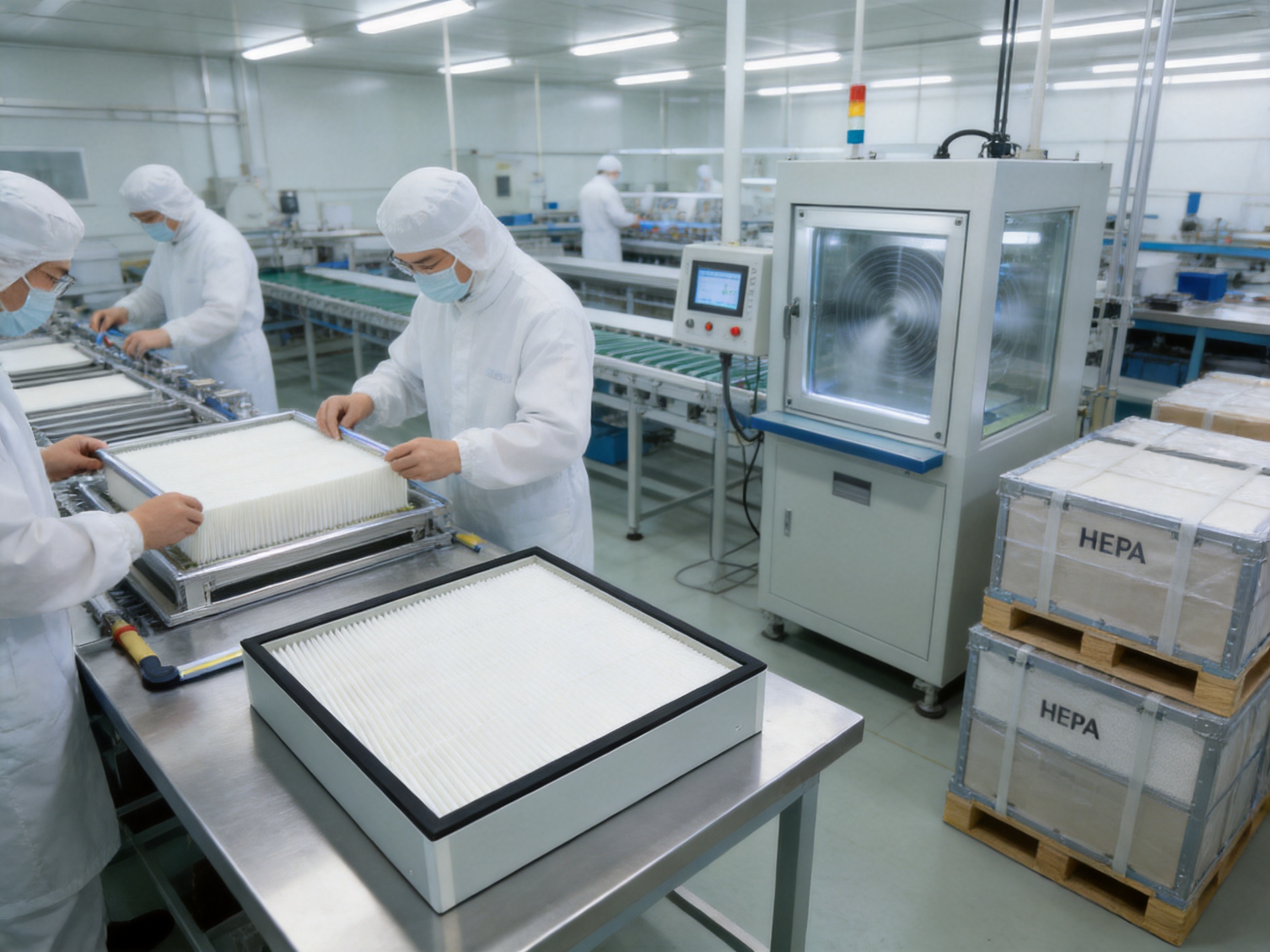
The quality of a HEPA filter is determined by a sequence of controlled operations. An experienced cleanroom manufacturer applies process control from material procurement to final packing. The following stages describe the principal manufacturing activities that support consistent performance.
4.1 Technical review and order confirmation
Manufacturing begins with a technical review of the application and project requirements. The supplier should confirm the required filter class, dimensions, nominal airflow, installation orientation, frame material, gasket arrangement, sealing method, operating temperature, humidity, and any special chemical or hygiene requirements.
This review is particularly important for custom sizes and equipment-integrated filters. A filter that is technically correct in isolation may be unsuitable for the selected housing or ceiling module. Reviewing the complete interface before production helps prevent dimensional errors and installation delays.
4.2 Incoming material inspection
Filter media, frame materials, sealants, gaskets, screens, separators, and packaging materials should be inspected before entering production. Inspection may include checking dimensions, appearance, material identification, surface condition, batch information, and supplier documentation.
Materials should be stored under suitable conditions. Filter media can be affected by moisture, contamination, compression, and rough handling. Frames may be scratched or deformed if stacked incorrectly. Sealants may have storage-life limitations. Controlled storage protects the quality established by the material supplier.
4.3 Frame fabrication
Frame components are cut, formed, joined, and finished according to the approved design. The manufacturing process should control corner squareness, external dimensions, flange alignment, surface finish, and connection strength.
For applications requiring frequent cleaning or exposure to aggressive conditions, the frame material and surface treatment should be selected carefully. Smooth, cleanable surfaces help reduce the accumulation of dust and support hygienic maintenance procedures.
4.4 Media pleating and pack formation
The filter media is pleated using controlled equipment or carefully managed production methods. The target pleat height, spacing, pack length, and media tension must be maintained consistently.
Uneven pleats can produce localized high velocity, reduce usable media area, and increase stress on the filter during operation. A controlled pleating process supports more uniform airflow distribution through the media pack and helps maintain predictable pressure-drop characteristics.
4.5 Separator or bead installation
After pleating, separators or spacing beads are applied to maintain the designed geometry. The material and application method should be compatible with the media and operating environment. Spacing must remain consistent from one end of the filter pack to the other.
The separator pattern should not obstruct the intended airflow path or create points of weakness. It must also remain stable during transportation and fan operation. Careful curing or setting of the bonding material is essential before the pack is handled further.
4.6 Media pack insertion and sealing
The completed media pack is positioned inside the frame, and sealant is applied around the contact area. The seal must be continuous and free from voids, cracks, or areas of insufficient bonding. The media should be centered and supported without excessive compression or distortion.
Sealant selection and curing are important process factors. If the sealant is not fully cured, the assembly may be vulnerable to movement or damage. If it is applied unevenly, the filter may develop bypass leakage. A controlled production environment helps maintain consistent application and curing conditions.
4.7 Screen and gasket installation
Protective screens are installed where required, followed by the gasket or sealing interface. The gasket should be continuous, properly aligned, and securely attached. Corners require special attention because they are common locations for damage or discontinuity.
The gasket material should be compatible with the housing design. A gasket that is too soft may extrude under compression, while one that is too hard may not conform to minor surface irregularities. The correct compression range supports a reliable seal without making installation unnecessarily difficult.
4.8 Final inspection and testing
Finished filters should undergo visual, dimensional, and functional inspection. Depending on the product type and project requirements, testing may include efficiency testing, pressure-drop measurement, airflow evaluation, leak testing, and inspection of the media pack and frame.
Testing helps identify defects that may not be visible during a simple visual inspection. A filter may have correct external dimensions but still contain a localized leak through the media or sealant. Testing and recorded inspection results provide greater confidence for cleanroom commissioning.
4.9 Protective packaging and logistics
Filters are sensitive products and should be packed to protect them from impact, vibration, moisture, dust, and compression. The packaging must prevent the filter from moving inside the carton or crate while also avoiding excessive pressure on the media pack.
Clear identification should be provided on the package. Labels may include product model, dimensions, airflow direction, installation orientation, production information, and handling instructions. Proper packaging is especially important for international shipments and large turnkey projects involving multiple filter types.
5. Quality Control and Testing Considerations
Quality control should cover both the filter itself and the manufacturing process. The aim is not merely to confirm that a finished product looks correct, but to verify that it can perform consistently under the intended operating conditions.
5.1 Visual and dimensional inspection
Visual inspection should check the frame, media pack, sealant, separators, screens, gasket, corners, and overall cleanliness. The filter should be free from visible damage, open joints, loose components, excessive sealant, and contamination.
Dimensional inspection should confirm length, width, depth, flange size, gasket position, and other interface requirements. This is particularly important for filters intended for modular ceilings and terminal housings, where small dimensional errors can affect installation and sealing.
5.2 Pressure-drop evaluation
Pressure drop is measured at a specified airflow or face velocity. The result provides information about the resistance of the filter. It should be considered together with the HVAC fan capacity, required room airflow, and expected loading during service.
Pressure drop normally increases as the filter collects particles. A filter selection that provides an acceptable initial value but has insufficient allowance for loading may cause operational problems later. The design team should therefore consider both initial and final resistance.
5.3 Efficiency and leak testing
Efficiency testing evaluates the filter’s ability to remove particles according to the applicable test method and classification. Leak testing is used to identify localized defects in the media, sealant, frame, or gasket interface.
The exact test method depends on the applicable standard, product type, and project specification. The filter supplier and cleanroom contractor should agree on the relevant classification and documentation before production so that the delivered product can be evaluated consistently.
5.4 Documentation and identification
Inspection records, product labels, packing lists, and test documents help connect the supplied filter with the project design. For large installations, this information can support a filter map showing the position and identification of each unit.
Documentation is also helpful during future maintenance. When filters are replaced, the facility team can confirm the installed dimensions, frame material, gasket type, and original performance requirements rather than relying on uncertain visual identification.
6. Applications Across Cleanroom and Controlled Environments
6.1 Pharmaceutical factories
Pharmaceutical facilities require carefully controlled environments to protect raw materials, intermediate products, finished products, and aseptic processes. HEPA filters are used in production rooms, filling areas, dispensing rooms, laboratories, airlocks, and equipment such as laminar airflow units and weighing booths.
In these facilities, filter selection must consider cleaning chemicals, room pressure relationships, airflow uniformity, validation requirements, and the need for reliable terminal sealing. Filters are commonly integrated into a broader cleanroom system that includes sandwich panels, doors, windows, HVAC equipment, monitoring instruments, and commissioning services.
6.2 Laboratories
Laboratories may require filtered air to protect experiments, samples, instruments, or personnel. The correct solution depends on the laboratory function. Some laboratories prioritize product protection, while others require containment and specialized exhaust arrangements.
HEPA filters can be installed in supply-air systems, biosafety-related equipment, clean benches, and other controlled devices. The filter should be selected in coordination with the airflow pattern and laboratory safety strategy rather than treated as an independent component.
6.3 Hospitals and operating rooms
Hospitals use clean air systems in operating rooms, isolation areas, intensive-care spaces, pharmacies, laboratories, and other specialized departments. HEPA filtration supports the overall air-quality design, which may also include pressure control, air changes, temperature management, humidity control, and validated cleaning procedures.
For healthcare applications, cleanability and reliable sealing are important. The filter and housing should be designed so that maintenance can be completed with minimal disruption to hospital operations.
6.4 Electronics and precision manufacturing
Electronics, semiconductor, optics, and precision assembly processes can be affected by very small airborne particles. HEPA filtration is often combined with carefully designed airflow distribution, antistatic measures, temperature control, and personnel procedures.
In these applications, stable airflow and low particle contribution from the filter assembly are important. The filter should be handled and installed carefully to avoid damaging the media or introducing contaminants into the cleanroom.
6.5 Food workshops
Food processing and packaging areas may use cleanroom or hygienic-room principles to reduce airborne contamination. HEPA filters can support filtered supply air in high-care areas, packaging rooms, laboratories, and other controlled zones.
Frame materials, gasket materials, and external surfaces should be selected with cleaning and moisture exposure in mind. The complete ventilation system should also address condensation prevention, drainage, access for sanitation, and the specific hygiene requirements of the food process.
6.6 Air showers and pass boxes
Air showers use high-velocity filtered air to remove loose particles from personnel or material surfaces before entry into a cleaner area. Pass boxes use filtered air to reduce contamination risks during material transfer. In both applications, the HEPA filter must be compatible with the equipment housing and airflow design.
Correct filter orientation, sealing, and access for replacement are important because these compact systems may have limited internal space. Custom dimensions and clear maintenance instructions can improve serviceability.
7. HEPA Filters Within an Integrated Cleanroom Solution
A major advantage of working with an integrated cleanroom solution provider is the ability to coordinate the filter with the entire project. Cleanroom performance depends on the interaction between architecture, airflow, filtration, pressure control, personnel movement, material transfer, and operating procedures.
A filter supplier that only delivers a boxed product may not be able to resolve interface issues involving ceiling panels, terminal housings, duct connections, air-handling units, or cleanroom equipment. By contrast, a company experienced in cleanroom design, manufacturing, and installation can review the complete system before production.
7.1 Coordination with cleanroom panels
Cleanroom ceilings and walls must provide stable, cleanable surfaces and accommodate terminal filters without creating leakage or difficult maintenance conditions. Filter dimensions, ceiling module sizes, suspension systems, and access requirements should be coordinated during the design stage.
Metallic sandwich panels and HPL panels may be used in different project environments. The filter terminal arrangement should match the panel system and should maintain the integrity of the room envelope.
7.2 Coordination with HVAC systems
The HVAC system must provide enough fan capacity to overcome the resistance of the prefilters, HEPA filters, coils, ducts, dampers, and other components. The selected filter should be evaluated at the required airflow rather than only by its nominal size.
Pressure relationships between rooms also depend on the balance of supply, return, and exhaust air. A filter with the correct efficiency but incorrect airflow capacity may contribute to unstable room pressure. Integrated engineering helps ensure that filtration and air distribution are considered together.
7.3 Coordination with cleanroom equipment
Cleanroom equipment such as laminar airflow units, weighing booths, air showers, and pass boxes often uses compact or customized filters. The supplier must consider equipment dimensions, fan selection, access panels, control systems, airflow uniformity, and replacement procedures.
When the same engineering team supports both the filter and the equipment, the risk of incompatible connections or inaccessible maintenance areas can be reduced.
7.4 BIM visualization and project planning
Building Information Modeling and other visualization methods can help coordinate filter locations, duct routes, ceiling modules, equipment clearances, and maintenance access. For international projects, digital coordination is particularly useful because it allows the customer, contractor, and manufacturer to review the design before materials are shipped.
A coordinated model can also improve quantity calculation and reduce the possibility of ordering incorrect sizes. This supports more efficient production planning and helps control installation time at the project site.
8. Why Manufacturing Capability Matters to International Customers
International cleanroom projects often involve strict schedules, long transportation distances, customs procedures, and multiple local contractors. Manufacturing capability has a direct effect on delivery reliability and project risk.
A supplier with its own production facility can control more stages of the process, including material planning, fabrication, assembly, inspection, packaging, and dispatch. This can provide better control over production schedules than a trading company that depends entirely on external factories.
A large manufacturing operation can also support project quantities involving complete cleanroom systems rather than isolated filter orders. The product range may include metallic sandwich panels, HPL panels, cleanroom doors and windows, HVAC systems, air showers, pass boxes, laminar airflow units, and other cleanroom equipment.
For customers, the value of this capability is not limited to factory size. It includes the ability to coordinate product interfaces, respond to technical changes, provide replacement units, and maintain consistent quality across multiple shipments.
8.1 Experience in overseas projects
Cleanroom construction practices vary between regions. Project teams may need to address local building conditions, electrical standards, climate, logistics, labor availability, and regulatory expectations. Experience in Africa, the Middle East, South Asia, and other international markets helps a supplier understand the practical challenges of overseas delivery and installation.
On-site experience is also valuable when coordinating installation sequences. Filters should normally be installed after the room has reached an appropriate level of cleanliness and after dusty construction work has been completed. A knowledgeable engineering team can help establish a practical installation and commissioning plan.
8.2 Engineering and installation support
A product can only perform as intended when it is installed correctly. Technical support may include installation drawings, housing details, replacement instructions, inspection procedures, airflow guidance, and on-site supervision.
For turnkey projects, installation support may extend to cleanroom panels, doors, windows, HVAC systems, equipment, validation preparation, and final handover. This integrated approach can reduce communication gaps between separate component suppliers.
9. Product Selection Guide
Selecting a HEPA filter should begin with the application and system requirements rather than the price of the unit alone. The following factors should be reviewed before ordering.
| Selection factor | Key question | Why it matters |
|---|---|---|
| Required efficiency | What filtration classification is required by the room or equipment? | Determines the level of particle removal needed for the application. |
| Airflow | What is the design airflow and face velocity? | Affects pressure drop, fan capacity, and airflow distribution. |
| Dimensions | Will the filter fit the ceiling, housing, AHU, or equipment? | Prevents installation delays and bypass leakage. |
| Frame material | Will the filter face moisture, chemicals, or frequent cleaning? | Supports durability and cleanability. |
| Sealing method | Does the housing require a gasket, gel seal, or another interface? | Ensures a reliable perimeter seal. |
| Operating conditions | What are the expected temperature, humidity, and pressure conditions? | Helps confirm material and sealant compatibility. |
| Maintenance access | Can the filter be inspected and replaced safely? | Reduces service time and protects the cleanroom system. |
| Documentation | Are test records, labels, and traceability required? | Supports commissioning, qualification, and future maintenance. |
9.1 Initial and final pressure drop
The design team should evaluate both the initial pressure drop and the expected final resistance. The fan should have sufficient capacity to maintain the required airflow as the filter loads with particles. Operating a heavily loaded filter for too long may increase energy consumption and reduce system performance.
9.2 Filter location
The location of the filter affects the required construction and maintenance arrangement. A terminal HEPA filter installed in a cleanroom ceiling may require a particular flange and gasket arrangement. A filter installed inside an air-handling unit may require a different frame style and access arrangement. Equipment-mounted filters may need compact dimensions or custom connections.
9.3 Environmental compatibility
Temperature, humidity, cleaning agents, disinfectants, and process vapors can affect filter materials. The supplier should be informed about unusual operating conditions so that the frame, gasket, sealant, and protective coatings can be selected appropriately.
9.4 Replacement strategy
Filters are consumable components and should be included in the facility’s maintenance strategy. The project team should determine whether replacement filters will be stored on site, how filter identification will be managed, and what procedure will be used for safe removal and installation.
10. Installation and Commissioning Practices
Installation quality has a direct effect on filtration performance. Filters should be transported to the installation area in their protective packaging and should not be opened until the surrounding construction work is sufficiently complete.
Before installation, the housing should be inspected for cleanliness, damage, dimensional compatibility, and sealing-surface condition. Dust, debris, excess sealant, or damaged clamping components can prevent the filter from sealing correctly.
The filter should be handled by the frame rather than the media pack or protective screen. Workers should avoid pressing, leaning, or placing tools on the filter face. If the media is torn, crushed, or visibly contaminated, the filter should not be installed without technical evaluation.
After installation, the gasket should be compressed evenly according to the housing design. Clamps or retaining mechanisms should be tightened in a balanced sequence. Excessive force may deform the frame or damage the gasket, while insufficient force may allow leakage.
Commissioning may include airflow measurement, room pressure verification, visual inspection, particle counting, and filter leakage testing. The exact commissioning program depends on the cleanroom classification, application, applicable standards, and customer validation requirements.
11. Maintenance and Service Life
The service life of a HEPA filter depends on the upstream filtration system, particle loading, airflow, operating hours, room cleanliness, and maintenance practices. There is no universal replacement interval suitable for every installation.
Routine monitoring should include filter pressure drop and, where appropriate, room airflow, room pressure, particle concentration, and filter integrity. A gradual pressure increase is normal as the filter loads. A sudden change may indicate damage, abnormal upstream contamination, fan adjustment, or an instrument problem.
Prefilters and medium filters should be replaced or cleaned according to the maintenance plan. Neglecting upstream filters can cause premature loading of the HEPA filter and increase operating costs. However, prefilters should not be serviced in a way that introduces contamination into the downstream system.
HEPA filters should not normally be washed or aggressively cleaned unless the product and application have been specifically designed for that procedure. Improper cleaning can damage the media, sealant, gasket, or protective screen. Replacement is generally preferred when the filter reaches its defined service limit or fails an integrity test.
When replacing a filter, the facility should protect the surrounding cleanroom from contamination. Personnel should follow the approved gowning, bag-in/bag-out, containment, disposal, and cleaning procedures applicable to the facility.
12. Comparison with Basic or Inadequately Controlled Alternatives
Price is an important consideration in any project, but the lowest purchase price does not always represent the lowest total cost. A low-cost filter may create additional expenses if it has inconsistent dimensions, high pressure drop, weak packaging, poor documentation, or unreliable sealing performance.
Basic suppliers may purchase standard filters from unrelated factories and resell them without detailed application review. This may be acceptable for simple replacement needs, but it can create risk in a new cleanroom project where filters must match ceiling systems, HVAC equipment, process areas, and validation documentation.
A professionally manufactured and engineered product offers several practical advantages:
• More consistent material and assembly control.
• Better dimensional compatibility with cleanroom systems and equipment.
• Greater ability to provide custom sizes and frame configurations.
• Improved traceability through product identification and production records.
• Better coordination with panels, HVAC systems, terminal housings, and equipment.
• More reliable packaging for international transportation.
• Access to technical guidance for installation, testing, and maintenance.
• Reduced communication gaps through a single integrated cleanroom partner.
These advantages can reduce project delays, rework, premature replacement, commissioning problems, and long-term energy costs.
13. Manufacturing and Engineering Strengths
Pharma United Co., Ltd. provides cleanroom design, manufacturing, installation, and integrated engineering services for pharmaceutical, healthcare, and industrial applications. Its product range includes cleanroom panels, cleanroom doors and windows, HVAC systems, cleanroom equipment, and HEPA filters.
The company operates its own manufacturing facility and supports international projects through coordinated production and engineering. Its stated manufacturing capacity exceeds 1,000 40HQ containers annually, while its factory area is approximately 20,000 square meters and its workforce includes more than 60 employees.
The company has more than 20 years of industry experience. Its development history includes the establishment and expansion of related cleanroom engineering and manufacturing operations, the development of the Kunshan factory, and the addition of a branch factory in Hubei. The Kunshan facility expanded in 2026 to increase production capacity.
These resources are relevant to HEPA filter customers because filtration products are often purchased as part of a larger cleanroom package. A supplier capable of manufacturing panels, doors, HVAC systems, and equipment can coordinate the interfaces that determine actual system performance.
The engineering team has an average of more than 10 years of on-site experience and supports projects with BIM visualization and installation services. The company has completed projects for multinational pharmaceutical companies and industrial facilities in Africa, the Middle East, South Asia, and other international markets.
For customers, the main value is the combination of product manufacturing and project execution. The HEPA filter is not treated as an isolated commodity but as a component of a complete cleanroom environment that must be designed, installed, tested, and maintained as a coordinated system.
14. Frequently Asked Questions
Q1: What is the main function of a HEPA filter?
A HEPA filter removes a very high proportion of airborne particles from an air stream. It is used in cleanroom HVAC systems and equipment to support controlled air cleanliness in areas such as pharmaceutical factories, laboratories, hospitals, operating rooms, electronics cleanrooms, food workshops, air showers, pass boxes, laminar airflow units, and weighing booths.
Q2: Is a HEPA filter the same as a primary filter or medium filter?
No. Primary and medium filters are generally used as upstream stages to remove larger particles and protect the final filter. A HEPA filter is designed for much higher particle removal efficiency and is commonly installed as the final filtration stage in the supply-air path.
Q3: Why is the frame important if the filter media has high efficiency?
The frame supports the media pack and connects the filter to the housing or equipment. If the frame is distorted, incorrectly sized, or poorly sealed, air may bypass the media. The complete assembly must therefore be dimensionally accurate and structurally sound.
Q4: How should I select the correct HEPA filter size?
The filter size should match the housing, terminal unit, ceiling module, air-handling unit, or equipment. Confirm the length, width, depth, flange arrangement, gasket position, airflow direction, and required airflow before ordering. A technical drawing or site measurement is recommended for custom applications.
Q5: Can the same HEPA filter be used in every cleanroom?
No. Applications may differ in efficiency requirements, airflow, frame material, gasket type, cleaning chemicals, humidity, temperature, and available installation space. The filter should be selected according to the complete operating environment.
Q6: How can I reduce premature HEPA filter loading?
Use properly selected primary and medium filters upstream, maintain the prefilters according to the facility schedule, control construction dust, keep doors closed when appropriate, and monitor pressure drop. Poor upstream filtration and uncontrolled contamination can shorten HEPA filter service life.
Q7: What should be checked before installation?
Check the filter packaging, product identification, frame condition, media pack, gasket, dimensions, airflow direction, housing cleanliness, clamping system, and sealing surface. Do not install a filter with visible damage or contamination without technical review.
Q8: How does an integrated cleanroom supplier add value?
An integrated supplier can coordinate the HEPA filter with cleanroom panels, ceilings, HVAC systems, terminal housings, doors, windows, and cleanroom equipment. This reduces interface problems and provides a single engineering contact for design, manufacturing, installation, and project support.
Q9: Does a HEPA filter remove gases and odors?
A standard HEPA filter is designed primarily for particulate removal. It is not a general-purpose gas or odor filter. If gaseous contaminants must be controlled, the system may require additional technologies such as activated carbon or other specialized filtration stages.
Q10: When should a HEPA filter be replaced?
Replacement should be based on the facility maintenance plan, pressure-drop limits, airflow performance, integrity-test results, visible damage, contamination condition, and application requirements. A fixed calendar interval is not appropriate for every installation.
Q11: Why are test records and traceability useful?
They help confirm that the supplied filter matches the project requirements and support commissioning, qualification, maintenance, troubleshooting, and future replacement. Traceability is especially valuable in pharmaceutical and healthcare facilities.
Q12: Can custom HEPA filters be produced for cleanroom equipment?
Yes, custom dimensions and configurations may be possible depending on the application and production requirements. The equipment drawing, airflow requirement, frame material, gasket arrangement, and installation space should be reviewed before manufacturing.
15. Conclusion
HEPA filters are essential components in modern cleanroom HVAC systems and controlled-environment equipment. Their value comes from more than high particle-removal efficiency. Reliable performance also depends on media quality, pleat formation, frame strength, sealing integrity, dimensional accuracy, testing, packaging, installation, and maintenance.
The strongest solution is one that combines a well-engineered filter with a coordinated cleanroom system. Manufacturing control helps provide consistent products, while cleanroom engineering experience helps ensure that filters work correctly with panels, ceilings, HVAC systems, equipment, and room-pressure strategies.
For pharmaceutical factories, laboratories, hospitals, operating rooms, food workshops, electronics cleanrooms, air showers, pass boxes, laminar airflow units, and weighing booths, the correct HEPA filter can support stable air cleanliness and reliable process protection. Selecting a supplier with manufacturing capacity, technical expertise, international project experience, BIM coordination, and installation support can reduce project risk and improve long-term value.
By combining controlled production processes with integrated engineering services, Pharma United Co., Ltd. supports customers seeking dependable cleanroom filtration and complete cleanroom solutions. The result is not simply a filter delivered to a job site, but a filtration component designed to function as part of a reliable, maintainable, and properly coordinated controlled environment.
References
1. Institute of Environmental Sciences and Technology, Recommended Practices for Testing and Performance of HEPA and ULPA Filters.
2. International Organization for Standardization, ISO 14644 Series: Cleanrooms and Associated Controlled Environments.
3. European Committee for Standardization, High-Efficiency Air Filters for General Ventilation and Related Filter Classification Standards.
4. ASHRAE, Handbook of HVAC Applications, Chapters on Clean Spaces and Air Filtration.
5. United States Pharmacopeia, Guidance on Controlled Environments and Pharmaceutical Manufacturing Areas.
6. World Health Organization, Good Manufacturing Practices for Pharmaceutical Products.
7. National Air Filtration Association, Technical Guidance on Air Filtration, Filter Selection, and Maintenance.
8. Pharmaceutical cleanroom engineering, HVAC design, commissioning, and contamination-control practices provided in professional industry training materials.
Product: HEPA Filter



-
Mobile
+86-177 1554 8238
-
E-mail
chin@pharma-united.com
-
Address
No.58 Beiyuan Road, Dianshanhu Town, Kunshan City, Jiangsu Province, China
Copyright © Pharma United Co., Ltd. Rights Reserved.
OEM/ODM Cleanroom Engineering Solution Manufacturers
